LED Light Therapy at Poplar Aesthetics

The Science of LED Light Therapy Skin Treatment

LED light therapy is one of the most non-invasive light therapies that employ specific wavelengths of light to achieve specific results. While other types of therapy employ heat, chemical, or mechanical methods of achieving certain outcomes, LED therapy achieves its effects using specific wavelengths of light.
LED light therapy has been used widely over the years in both clinical and aesthetic practices because of its effectiveness in skin management.

What Is LED Light Therapy?

LED is an abbreviation for Light Emitting Diodes. Various types of LED light can be used depending on what they are intended to treat.
There is no pain involved, nor is there any damage to the skin barrier; rather, it aims to affect cells in a specific way by employing a phenomenon called photobiomodulation.

LED Wavelengths Explained

Different wavelengths serve different purposes.

Red light is typically used for collagen activity enhancement and skin regeneration.

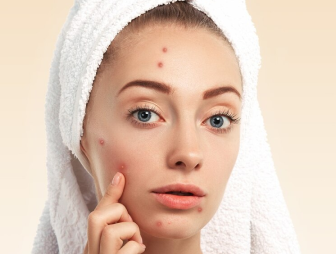
Blue light can help in managing acne as it affects the bacteria causing it.

Near infrared light can be considered due to its effect on tissue healing and inflammation reduction.

Combination protocols can be used based on your specific issues.

The correct protocol must always be chosen following an assessment, and not based on current trends.

Choosing the right wavelength plays an important part in obtaining appropriate results.

Conditions Treated with LED Light Therapy

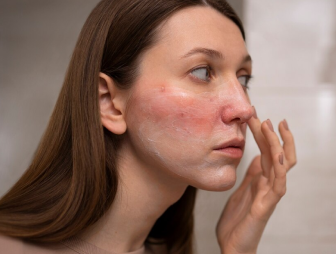
LED light therapy may be part of a general management plan when considering a number of conditions.

Such conditions include:
The use of LED light is not presented as a cure. Results differ according to the condition treated, its seriousness, and regularity of application.

Why Assessment Is Necessary

Although the use of LED therapies is relatively low risk, it is not an all-purpose therapeutic approach and should not be used as such.

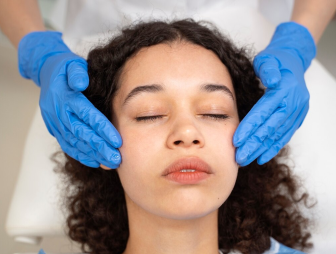
At Poplar Aesthetics, patients are assessed in terms of their suitability for care. These assessments include consideration of the client’s skin complaints, any other health issues they might have, any medicines they take, and the purpose of their visit to our practice.

This assessment allows us to determine the right course of action – whether we should apply LED therapy as a standalone option or add it to another recommended procedure.

Clinical and Professional Background

Our clinic is headed by a professional in the field who has been working in the National Health Service for almost 35 years, mostly dealing with primary care and emergency cases.

She is registered at the HCPC, a member of the College of Paramedics, and is an independent supplementary prescriber. Thus, the added knowledge allows us to conduct proper assessments based on our healthcare expertise.

Scientific Backing and Realistic Expectations

The increased demand for LED light therapy UK has been driven by recent scientific backing through studies that look at the role of photobiomodulation within dermatological and aesthetic procedures.

Light therapy may involve several appointments based on the problem being targeted. Positive outcomes are dependent on adherence to recommendations, skin condition, and following good skincare practices.

Here at Poplar Aesthetics, we emphasize the importance of making informed decisions as well as using our light-based therapies appropriately and ethically.

Scroll to Top