The Science of Skin Support
Why Radio Frequency Therapy Continues to Gain Attention
What Is Radio Frequency Therapy?
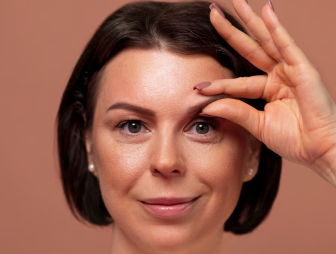
Collagen is a critical protein involved in the structure and maintenance of the skin’s texture and its ability to be elastic. Since collagen production decreases as one grows older, some people suffer from decreased skin tone and definition.
Instead of manipulating facial features through Radio Frequency Therapy, treatment will actually promote natural skin regeneration.
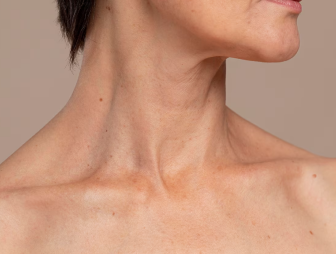
Areas for Possible Treatment
The Science Behind the Treatment
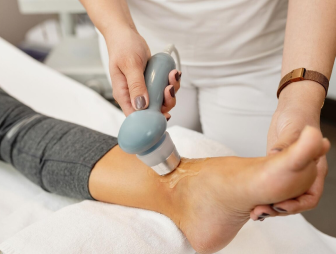
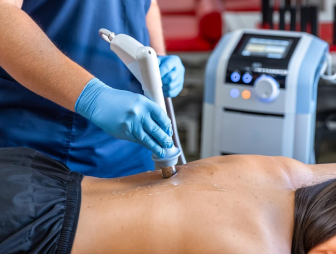
Radiofrequency technology has been studied within the realms of both medicine and aesthetics. Controlled heating of the tissues is thought to promote biological reactions involved in collagen regeneration and tissue tightening.
But not all individuals respond equally well.
These are some of the factors that can affect treatment outcomes:
Age and skin condition
Personal health factors
Degree of skin laxity
Adherence to recommended treatment regime
Biological reaction
Why We Assess First Before Recommending
At Poplar Aesthetics, we understand that Radio Frequency Therapy may not be suitable for everyone.
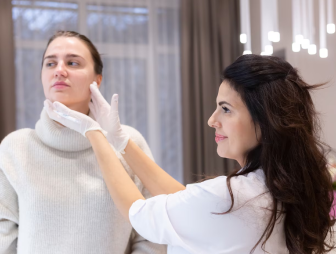
Consultations serve to ensure that this treatment is relevant for you as an individual.
During the assessment, several issues will be addressed:Realistic Expectations
One reason for increased interest in radio frequency skin tightening UK includes minimal disruption from day-to-day activities in comparison to surgical techniques.
The general premise behind Radio Frequency Therapy involves consideration of this method of potentially helping someone improve their skin appearance. This treatment does not involve any kind of surgical face lifting nor will it halt the natural aging process of the individual.
Progressive Results with Radio Frequency Therapy
Here at Poplar Aesthetics, our approach to aesthetic treatments considers suitability, honesty, and professional responsibility.
When it comes to Radio Frequency Therapy, we always consider how realistic choices will result in improved patient experience and more realistic expectations. Instead of making false promises, the aim here lies in providing individuals with options that will help them make informed choices which would give effective but realistic results